Theology of Ministry: Theological Statement

My theological views can be summed up with one word: synthesis. Because I was not raised as a Christian, I was not immersed in a single form of Christian theological expression. Instead, I was exposed not only to a wide variety of theological perspectives but also to a diverse group of people holding these perspectives. I was exposed to various theologies throughout my teenage years, including Evangelical, Southern Baptist, Christian and Missionary Alliance, and United Methodist perspectives. In my college years, I was exposed to Anglican, Roman Catholic, Eastern Orthodox, Reformed/Calvinist, and charismatic theologies. Now, I have realized that I have synthesized many of these perspectives through listening, reading, fellowshipping, and worshipping with followers of Jesus from all these faith traditions.

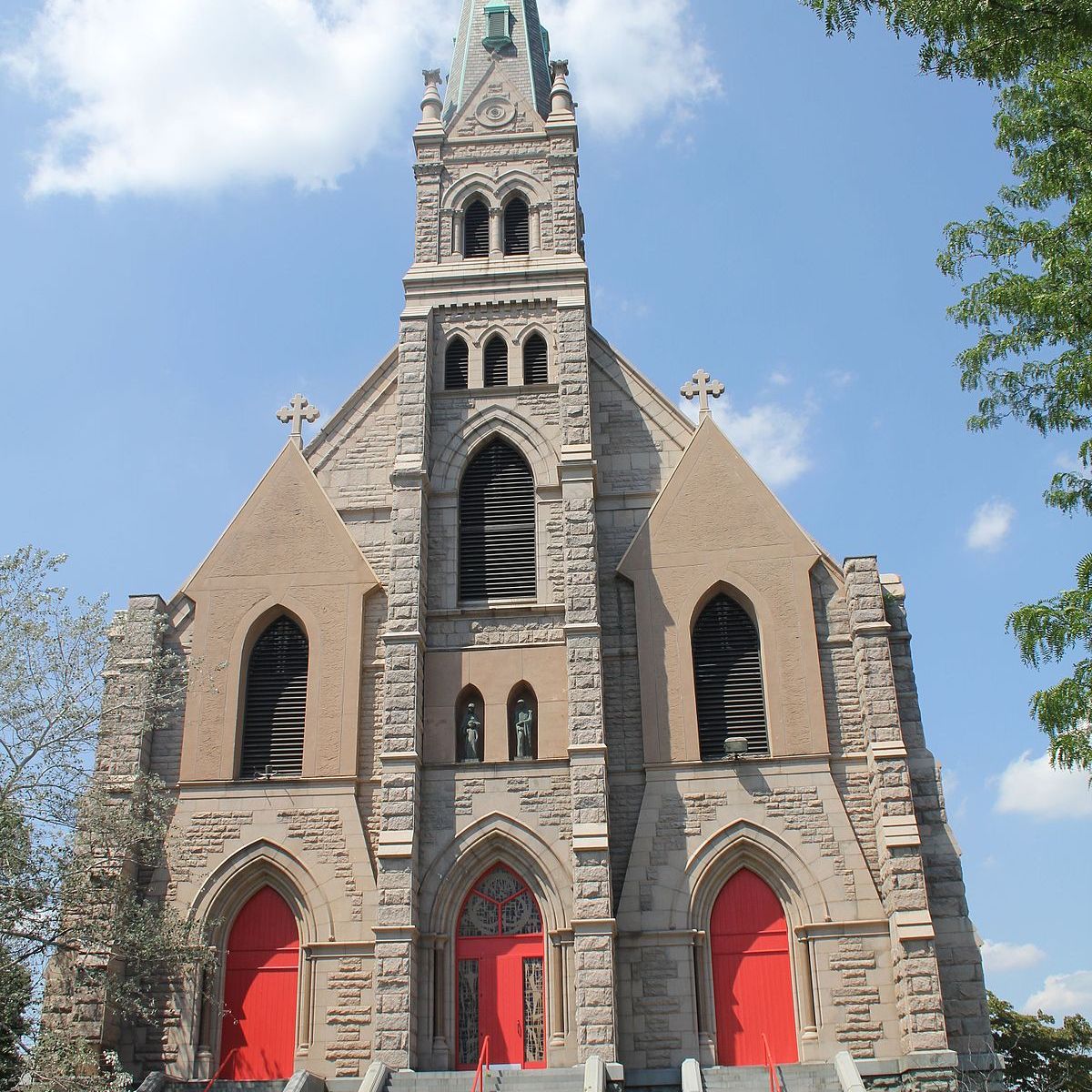
Vatican II On the Nature of the Church Lumen Gentium

Introduction The Second Vatican Council was an earthquake that started the process of the Roman Catholic Church awakening from its medieval slumber. The Lumen Gentium, promulgated by Pope Paul VI and delivered on November 11, 1964, brought clarity to Roman Catholics on the nature of the Church and how they deal with those of other …

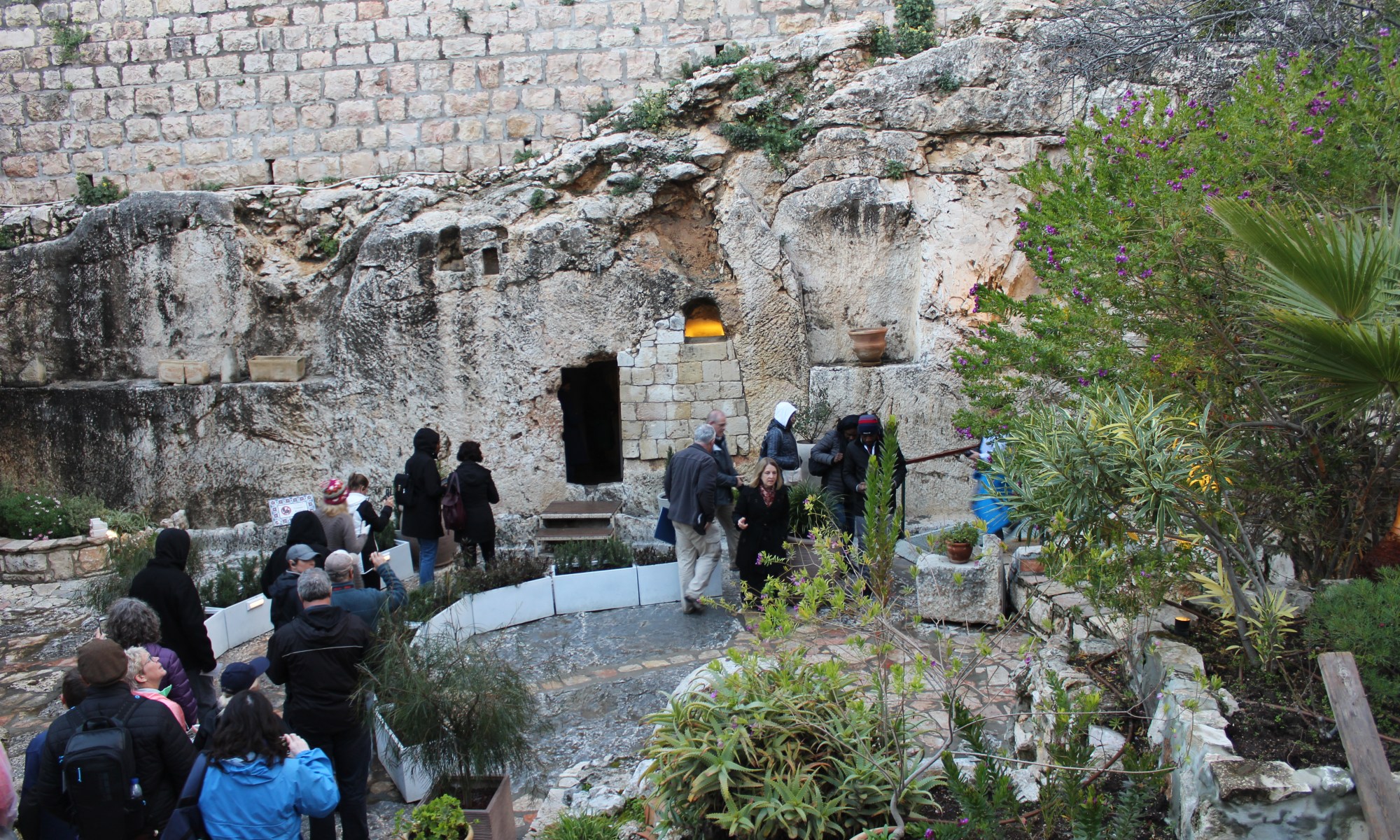
Apostasy of the Christian Church: Evaluating Mormon Claims that the Christian Church Ceased After the Apostles Part 1 of 2

The Church of Jesus Christ of Latter-Day Saints (LDS or Mormon interchangeably) holds many doctrines and beliefs that are contrary to orthodox Christian faith. The nature of God, who Jesus was, and the authority of Scripture, are among a legion of theological positions that separate Mormons from traditional Christian thought. Among these many differences is the Mormon claim that the church ceased to exist as an orthodox body after the death of the apostles.

Why are God’s commands good?

Whether the commands are good unto themselves or good because of theistic declaration seems to be a โ€œchicken and eggโ€ argument, but it is not. Copan addresses the question by first stating that โ€œobjective moral values are an inescapable, properly basic bedrock.โ€

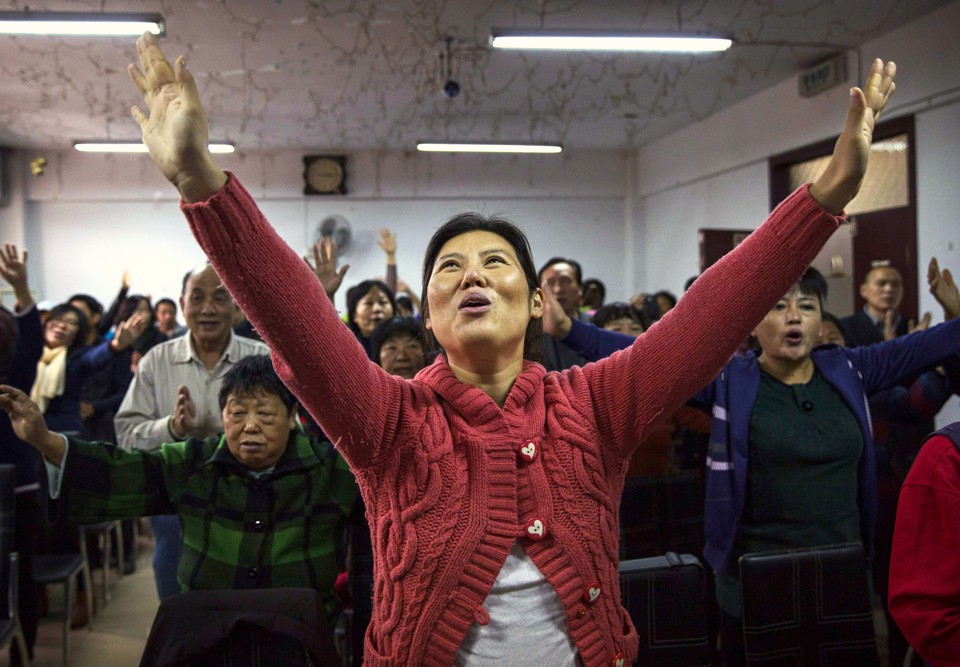
Modern American and Chinese Christianity: Modern Christianity in Two Cultures and What They Can Learn From Each Other

Introduction ย  ย ย ย ย ย ย ย ย ย ย ย  ย In the Spring of 2006, I had the great privilege to travel to Shang Hai and train twelve Chinese engineers to support my companyโ€™s software. Spending 10 days with these people, I found myself immersed in their culture. Each day at lunch, we would go to a different restaurant and would talk …

The Multiethnic Church

Many church trends have come and gone.ย  The Christian church in all of its forms has ebbed and flowed between many different worship styles and many different liturgical movements.ย  Most of these movements have been a reflection of culture.ย  The Christian church should be sensitive to the culture without losing its identity.ย  But like Indian …

The Church in Postmodern Post-Christian America – and that’s the good news!

Dealing with our postmodern culture is one of the most important issues the American church is facing today.ย  In the lecture on just what the church is, Dr. James Flynn with the help of Dr. Joseph Umidi, reviewed how institutionalism has had adverse effects on the church โ€“ often times shutting down creativity and enhancing …