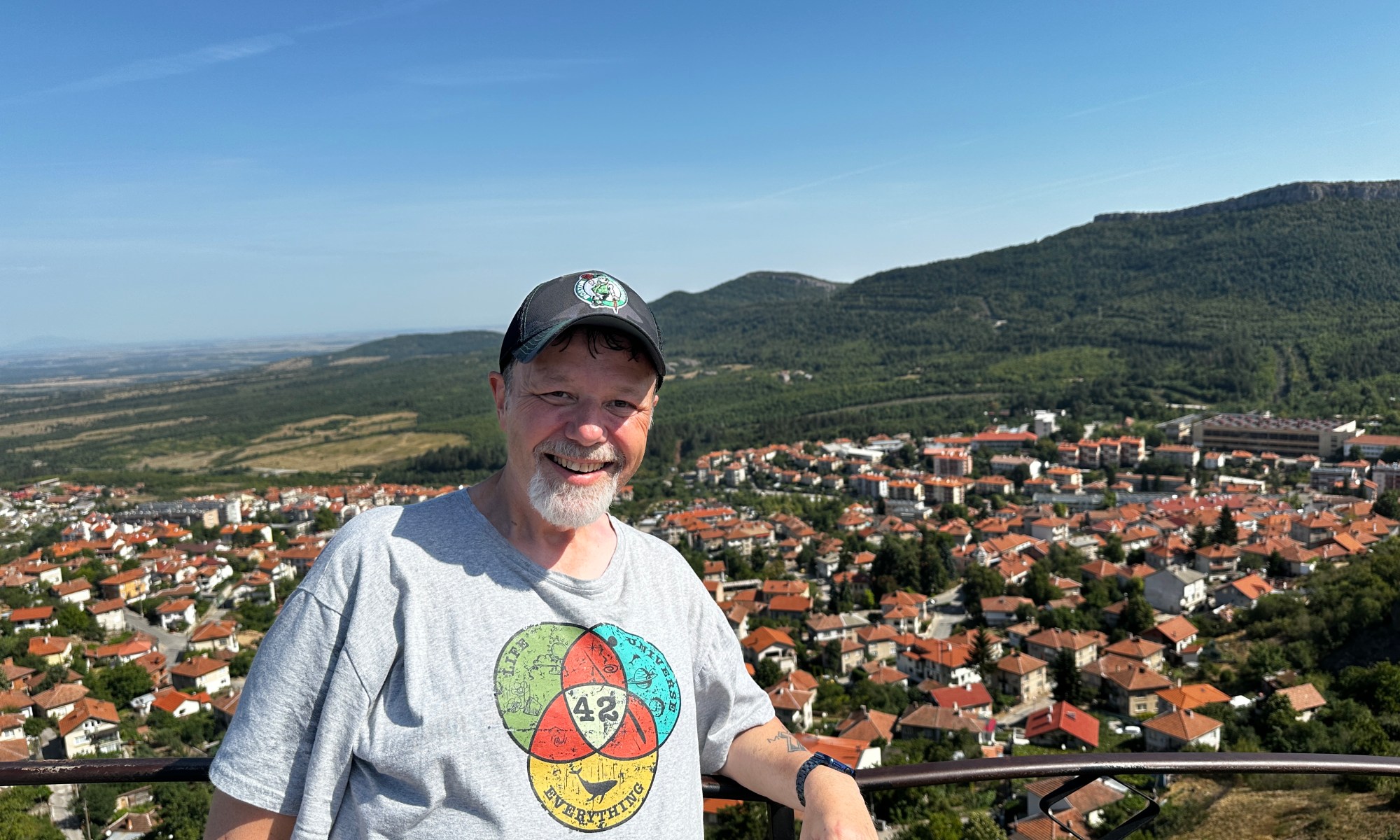
My theological views can be summed up with one word: synthesis. Because I was not raised as a Christian, I was not immersed in a single form of Christian theological expression. Instead, I was exposed not only to a wide variety of theological perspectives but also to a diverse group of people holding these perspectives. I was exposed to various theologies throughout my teenage years, including Evangelical, Southern Baptist, Christian and Missionary Alliance, and United Methodist perspectives. In my college years, I was exposed to Anglican, Roman Catholic, Eastern Orthodox, Reformed/Calvinist, and charismatic theologies. Now, I have realized that I have synthesized many of these perspectives through listening, reading, fellowshipping, and worshipping with followers of Jesus from all these faith traditions.
35 Axioms of Wesleyan Theology by Matt o’Reilly
Here is a very succinct article on the Wesleyan distinctives.
Video Blog: Theological Distinctives
My Video Blog discusses my theological distinctives.
John Wesley’s Sermon #2: The Almost Christian
Introduction The foundation for all flavors of Wesleyan theology (United Methodists, Nazarene, Free Methodists, and the newly formed Global Methodists, among others) is the sermons of John Wesley (1703-1791). In these sermons, Wesley spells out the distinctiveness of his approach to holiness, salvation, evangelism, and many other areas of doctrine. In the sermon The …
Continue reading "John Wesley’s Sermon #2: The Almost Christian"
The Kingdom of God Part 8: The Kingdom of God is at War
The great British journalist Malcolm Muggeridge once said that "The depravity of man is at once the most empirically verifiable reality but at the same time the most intellectually resisted fact." The human condition of war is evidence of that. War involves pain. War involves sacrifice. War involves death. While war is identifiable, the pain, sacrifice, and death are the results of the kingdom of the enemy. That is what is resisted.
The Kingdom of God part 5: There is only one King!
For this series on the Kingdom of God, we have seen how the Kingdom of God is something that is both now and future, that we live in the Kingdom by following Jesus’ words in the Beatitudes, that the gospel is not just when we die we go to Heaven but is centered on the work of Jesus, and that we can approach the throne of the King in prayer. This installment, I want to focus on the fact that there is only one King