

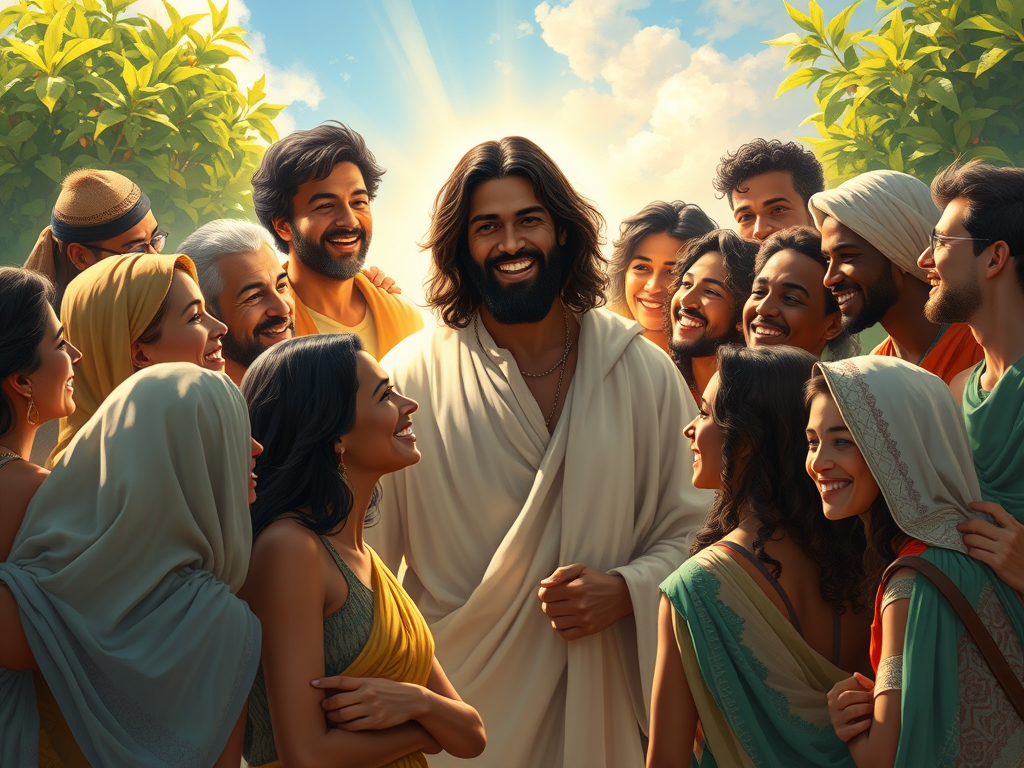
Through his ministry, Jesus frequently taught on the Kingdom of God, describing and then demonstrating the kingdom to the people around him. He also gave his followers the authority to do what he was doing as representatives of the kingdom in his name. This essay will describe this author’s view of the Kingdom of God with emphasis on the meaning of the kingdom theologically as well as in ministerial, personal, and ecclesiastical applications.
First seen in Genesis 1-2, God’s special created beings, humans, dwelt in his presence in his kingdom and bore his image. Humans had unfettered access to God in creation and had an intimate relationship with him and with one another. The sin of Genesis 3 broke all relationships and the unification of God’s kingdom with his creation. However, God provided a way for humans to reunite with him through his Son, Jesus.
The sacrifice of Jesus on the cross, his resurrection, his ascension, and the sending of the Holy Spirit allow followers of Jesus to become citizens of God’s kingdom. The Kingdom of God is the presence of God dwelling in believers, individually and corporately, as well as the eschatological fulfillment of God reuniting with humanity in the new creation at the end of this age. Jesus declared the kingdom active presently (Matthew 3:2; 4:17; Mark 1:15; Luke 17:20-21). However, he also spoke about the Kingdom of God having a future completion with his return (Matthew 24:29-21; Mark 13:24-27; John 14:2-3). Followers of Jesus enter the Kingdom of God, and they await the hope of their destiny in the perfect and final completion of that kingdom in the new creation (Revelation 21:1-22:5).
When the believer comes to faith, they are filled with the Holy Spirit, the very presence of God (John 20:19-23). From that time forward, they are citizens of God’s kingdom, and everywhere they go, everyone they interact with gets a taste of that “not yet” kingdom. The believer, with the indwelling of the Holy Spirit and citizenship in the Kingdom of God established, can now go into the world and bring Jesus to those who do not know him. Each time an authentic believer interacts with a non-believer, the non-believer gets a taste of the Kingdom of God. Just like the twelve and the seventy-two sent in twos to do ministry in Jesus’ name (Mark 6:7-13; Luke 9:1-2; 10:1-2), believers have the authority to proclaim the Gospel with words and demonstrate the Gospel with ministry gifts of the Holy Spirit. The Kingdom of God breaks through not just when one prays for healing, prophesies, or speaks in tongues, but in every interaction the believer has with others. Jesus even declared that the number of works done by his followers would far surpass what he did in his earthly ministry (John 14:12).
Living in the Kingdom of God, living in Christ, also empowers the believer to live rightly before God. This living in Christ means believers have died to sin and now live empowered to no longer sin (Romans 6:6-7; Galatians 2:20-21). Believers are no longer obligated to live in sin, but now live as loving children of the King by the power of the Holy Spirit (Romans 8:12-17). God’s ethics and values become the believer’s. God’s principal value for the Kingdom of God is love. This love is a divine Holy Spirit empowered love (John 13:34-35; I Corinthians 13; Galatians 5:22-23).
The Kingdom of God is also present with the gathering of the people of God – the church. When believers gather, the presence of the Holy Spirit and the Kingdom of God increase, and the citizens of that kingdom participate in various kingdom activities, including worship, prayer, healing, and prophecy. Gifts of the Holy Spirit are given to believers to build up the church. The building up of the church as a group of people and as individuals is a drop of the future eschaton in the present age. It is a taste of a new creation now, giving believers an appetite for the future hope of glory.
In conclusion, the Kingdom of God is in and with the believer now, as well as the hope of the fulfilled new creation when Jesus returns. It is the source of all ministry, ethics, and church life. Each believer walks in the kingdom as a citizen, bringing that kingdom to a lost and broken world.
 The Wandering Wesleyan